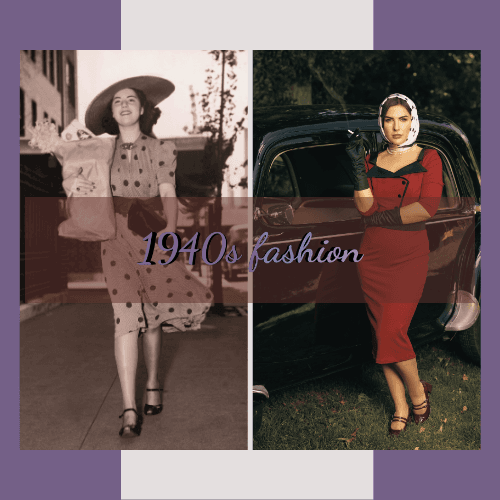
The world of 1940s fashion patterns emerged from a turbulent era shaped by war, scarcity, and resilience. Designers leaned into utility clothing, vintage silhouettes, and practical elegance that still feels iconic today. Surprisingly, restrictions did not limit creativity. Instead, they sharpened design identity across everyday wardrobes.
Moreover, wartime aesthetics and tailored simplicity defined this decade’s visual language. You can still trace these elements in modern runway inspiration. For historical context, explore https://en.wikipedia.org/wiki/1940s_in_fashion to understand how global events shaped everyday clothing choices.
WWII and the Cultural Backbone of Style
During World War II, designers adapted rapidly to strict material controls and social pressure. Clothing became functional yet expressive through rationed fabrics and military influence fashion. Even civilian outfits borrowed structure from uniforms, creating a disciplined visual tone across cities.
At the same time, governments promoted practical dressing through utility wear systems and fabric conservation rules. This era didn’t just change fashion. It reshaped how people viewed clothing as a symbol of survival and identity across societies.
Women’s Silhouettes and Everyday Elegance
Women’s style in 1940s fashion patterns embraced sharp shoulders, fitted waists, and flowing skirts. Designers used A-line dresses, structured tailoring, and feminine practicality to balance elegance with wartime restrictions. These silhouettes created a confident yet accessible aesthetic.
Additionally, women adapted creativity through mix-and-match wardrobes. Even with limited fabric, day dresses, workwear fashion, and DIY alterations helped maintain individuality. This practical creativity still inspires modern minimalist styling trends today.
Men’s Utility Fashion and Structured Identity
Men’s clothing leaned heavily toward utility suits, military-inspired tailoring, and durable fabrics. These choices reflected discipline and functionality during wartime economies. Jackets became slightly boxier, while trousers prioritized comfort and movement without losing formality.
Furthermore, double-breasted suits, work uniforms, and classic menswear patterns defined masculine identity. Men often reused garments creatively, showing how resilience shaped everyday fashion decisions across working-class and professional environments alike.
Fabric Rationing and Material Innovation
Fabric scarcity changed everything in 1940s fashion patterns, forcing designers to rethink construction techniques. Governments introduced strict limits, reducing excess fabric usage. As a result, shorter hems, minimal seams, and efficient cutting methods became essential design principles.
At the same time, synthetic blends, repurposed textiles, and recycled garments gained popularity. Designers turned limitations into innovation, proving that creativity thrives even under restriction. This mindset still influences sustainable fashion movements today.
Colors, Textures, and Wartime Aesthetics
Color palettes during this era leaned toward muted tones and practical shades. Olive green, navy blue, and earthy browns dominated wardrobes. These choices reflected both military influence and limited dye availability in the global supply chain.
In addition, wool textures, cotton blends, and coarse weaves became standard. The aesthetic was not flashy but deeply intentional. Each fabric choice reflected functionality, durability, and quiet sophistication that defined everyday dressing culture.
Accessories That Defined the Era
Accessories played a powerful role in completing 1940s fashion patterns. Women used structured hats, gloves, and stockings to elevate simple outfits. These additions added elegance even when clothing options were restricted.
Men also embraced classic hats, leather belts, and polished shoes. Interestingly, small accessories became status symbols. Even minor details helped individuals express personality in a world dominated by uniformity and practicality.
Post-War Evolution of Style Identity
After the war ended, fashion shifted dramatically toward luxury and expression. The structured simplicity of 1940s fashion patterns slowly evolved into more fluid and glamorous silhouettes. Designers introduced fuller skirts and softer tailoring.
Moreover, post-war optimism, luxury revival fashion, and New Look aesthetics redefined global style. You can explore this transformation further at https://www.britannica.com/art/fashion-industry. Society finally embraced excess after years of restraint.
Cultural Influence on Modern Fashion Trends
Modern fashion still borrows heavily from 1940s fashion patterns, especially in structured tailoring and minimalist design. Brands frequently revive vintage-inspired clothing, blending historical aesthetics with contemporary comfort. This fusion creates timeless appeal.
Additionally, retro fashion revival, heritage design elements, and modern vintage styling continue to shape streetwear and luxury collections. The decade’s influence proves that history never disappears; it simply evolves into new interpretations.
Accessories and Style Revival in Today’s Market
Accessories inspired by 1940s fashion patterns remain popular in today’s styling ecosystem. Items like structured handbags, retro sunglasses, and classic hats frequently appear in modern wardrobes. These pieces offer a nostalgic yet functional appeal.
Interestingly, platforms like Pinterest and Amazon amplify this revival. Users actively search for vintage-inspired accessories, blending affordability with historical aesthetics. This cycle keeps old design languages alive in modern consumer behavior.
Conclusion – The Timeless Legacy of 1940s Fashion Patterns
Ultimately, 1940s fashion patterns represent more than clothing history. They reflect resilience, adaptation, and cultural transformation during one of the most challenging eras in modern history. Every seam tells a story of necessity and creativity.
Today, designers still draw inspiration from this decade’s structured elegance and resourceful design philosophy. From runways to everyday wardrobes, the influence remains visible. This lasting impact confirms why 1940s fashion patterns continue to shape modern style conversations worldwide.
Frequently Asked Questions
1940s fashion patterns refer to clothing styles shaped during World War II. They focused on practical designs, limited fabric use, and structured silhouettes that balanced elegance with necessity.
They became simple because of wartime restrictions on fabric and resources. Designers used minimal cuts, shorter lengths, and functional tailoring to adapt to shortages while maintaining style.
World War II had the biggest influence. Military uniforms, rationing rules, and economic limitations directly shaped clothing design, colors, and fabric choices during this decade.
Women wore fitted dresses, padded shoulders, and A-line skirts. Clothing was practical yet stylish, often paired with hats, gloves, and simple accessories due to fabric restrictions.
Wool, cotton, and rayon were widely used. Synthetic blends also became popular because natural materials were limited during wartime.
Yes, modern fashion still draws inspiration from 1940s tailoring, structured silhouettes, and vintage aesthetics. Many designers revive these styles in contemporary collections.
Muted tones like navy, olive green, brown, and beige were common. These colors reflected wartime practicality and limited dye availability.
You can find inspiration in vintage collections, fashion archives, Pinterest boards, and modern brands that recreate retro and wartime-inspired styles.